The Complete Pool Cleaning & Maintenance Guide for Melbourne Homeowners

Keeping your swimming pool clean in Melbourne involves more than removing leaves and vacuuming the floor. Proper pool maintenance includes regular water testing, chemical balancing, filtration, brushing, and equipment checks. This guide explains how to clean your pool, how often maintenance is needed, what affects cleaning costs, and when professional assistance is worthwhile.

Whether you’ve just bought a home with a swimming pool or have maintained one for years, understanding the basics can help you avoid cloudy water, algae growth, unnecessary expenses, and equipment problems.

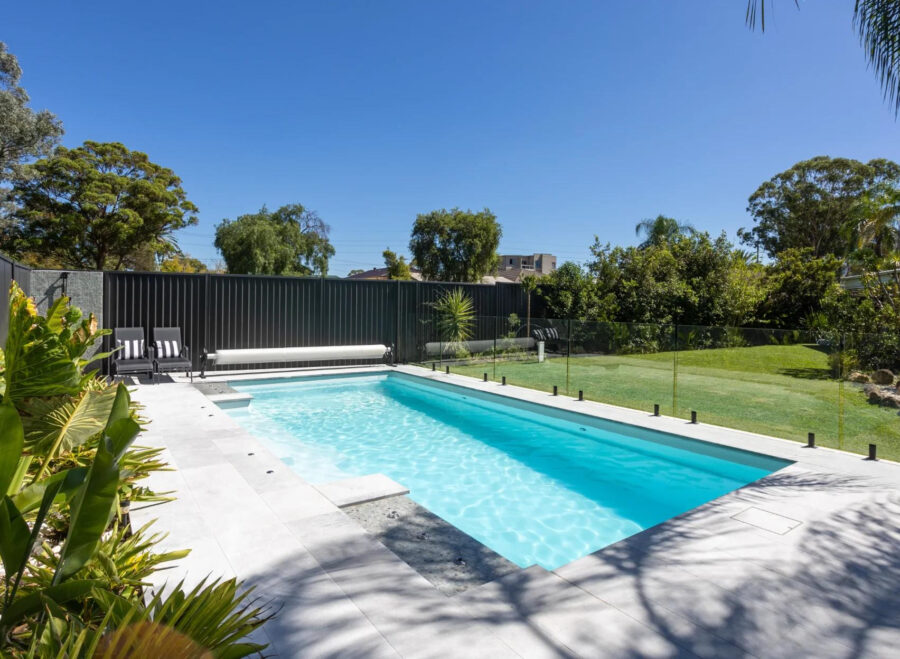
Clean residential swimming pool surrounded by a landscaped backyard in Melbourne

Need Help Keeping Your Melbourne Pool Clean And Properly Maintained?

Quick Guide: What Does Pool Maintenance Involve?

A well-maintained swimming pool needs attention to three main areas:

  • Physical cleaning: Removing leaves, insects, dirt, sediment, and algae from the water and pool surfaces.
  • Water chemistry: Testing and maintaining appropriate sanitiser levels, pH, alkalinity, and other water-quality measurements.
  • Equipment maintenance: Checking the pump, filter, chlorinator, skimmer baskets, and circulation system.

All three work together. A pool can look clean but still have unbalanced water chemistry. Similarly, adding chemicals won’t solve every problem if the filtration system isn’t working properly.

The goal is to maintain a pool that’s clean, properly sanitised, and ready to use without constantly dealing with avoidable problems.

How Often Should You Clean Your Swimming Pool?

One of the most common questions among pool owners is how frequently a swimming pool actually needs cleaning.

The answer depends on how often you swim, the surrounding environment, the weather, and the equipment installed.

For example, a pool surrounded by trees may need frequent skimming, while a covered pool with an effective robotic cleaner may require less manual debris removal.

Recommended Pool Cleaning Schedule

Maintenance task General frequency
Remove leaves and surface debris As needed; check several times weekly
Check water chemistry At least weekly during regular use, and after significant weather or usage changes
Empty skimmer baskets Weekly or whenever debris accumulates
Brush pool walls, steps and waterline Approximately weekly
Vacuum the pool Weekly or as needed
Inspect pump and filtration performance Weekly visual check
Clean or backwash the filter According to filter pressure and manufacturer instructions
Professional pool inspection or servicing Based on pool condition, owner experience and maintenance requirements

These are general guidelines rather than a universal schedule. Follow the instructions for your particular pool equipment and sanitising system.

Weekly vs Fortnightly Pool Maintenance

Weekly professional servicing may suit pools that receive frequent use, collect substantial debris, or require close attention to water quality.

Fortnightly servicing may work for some pools when the homeowner completes essential tasks between appointments.

A fortnightly professional visit does not mean water chemistry should be ignored for two weeks.

If you’re unsure which schedule suits your pool, a professional assessment can help establish a practical routine.

How Much Does Pool Cleaning Cost in Melbourne?

Pool cleaning costs in Melbourne vary depending on the size of the pool, its condition, the equipment installed, and the work required.

A routine maintenance visit is different from cleaning a neglected pool with significant debris, algae, or water-quality problems.

What Affects the Cost?

Pool size and design

Larger pools generally require more cleaning time and may use greater quantities of treatment chemicals.

Current water condition

A well-maintained pool may only need routine cleaning and balancing. Cloudy, heavily contaminated, or green water may require additional treatment.

Cleaning frequency

Regular maintenance and occasional cleaning have different cost structures. Compare the total work included rather than the price of an individual visit alone.

Equipment condition

Blocked filters, malfunctioning chlorinators, or circulation problems can increase the work required.

Chemicals and additional services

Ask whether treatment chemicals, filter cleaning, equipment servicing, and any additional visits are included in the quoted price.

Is Regular Professional Pool Cleaning Worth the Cost?

This depends on your circumstances.

Some homeowners prefer managing their own pool because they enjoy the work or want to minimise service expenses.

Others find that professional cleaning saves valuable time and helps them avoid the frustration of troubleshooting water chemistry and equipment problems.

When comparing prices, consider the total cost of chemicals, electricity, equipment maintenance, your own time, and any professional assistance required.

Tip: Before booking, request a clear explanation of what’s included in the service and whether additional charges may apply.

Aquatech’s professional pool cleaning services in Melbourne include an assessment of your pool’s cleaning and maintenance requirements..

How to Clean a Swimming Pool: Step-by-Step Guide

Cleaning a swimming pool properly requires a consistent process. The following steps cover routine residential pool care.

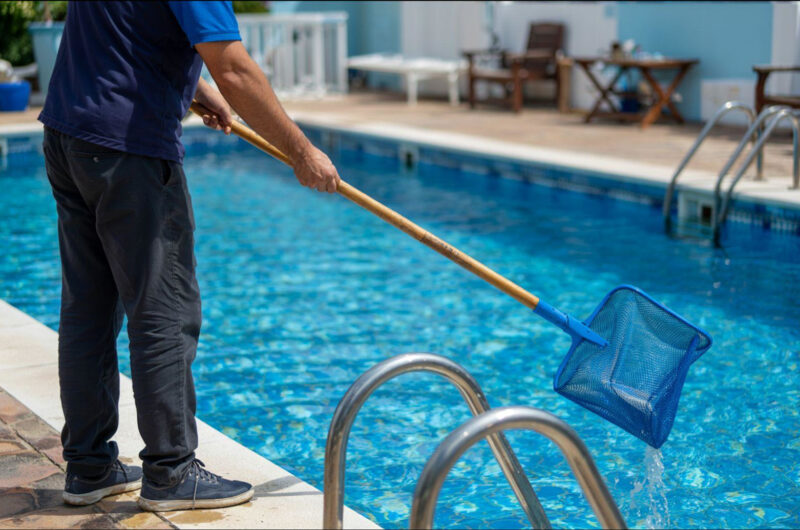
Person using a long-handled skimmer net to remove debris from a swimming pool

Step 1: Inspect the Pool and Equipment

Before cleaning, look for:

  • Floating debris and leaves
  • Dirt or sediment on the pool floor
  • Algae on walls or steps
  • Cloudy or discoloured water
  • Unusual pump noises or reduced water circulation
  • Leaks or visible equipment damage

If electrical equipment appears damaged or unsafe, stop using it and arrange a qualified inspection.

Step 2: Remove Leaves and Surface Debris

Use a pool skimmer net to remove leaves, insects, and other floating debris.

Pay particular attention to areas where debris collects, including corners, steps, and around skimmer openings.

Removing organic material promptly helps reduce the load on your filtration system.

Step 3: Empty Skimmer and Pump Baskets

Check the skimmer basket for accumulated leaves and debris.

If the pump basket also requires cleaning, switch off the equipment and follow the manufacturer’s safe shutdown and reopening instructions.

Blocked baskets can restrict water flow and affect circulation.

Step 4: Brush Pool Walls and Steps

Brush the walls, steps, corners, and waterline using a brush suitable for your pool’s surface.

Brushing loosens dirt, biofilm, and algae before they become more difficult to remove.

Pay attention to shaded areas and locations with limited circulation.

Step 5: Vacuum the Pool Floor

Use a manual, suction, or robotic cleaner to remove sediment and debris from the bottom of the pool.

The appropriate cleaning method depends on your pool surface, equipment, and the amount of debris present.

If your pool contains substantial algae or fine sediment, ordinary vacuuming may not be enough to restore water clarity.

Step 6: Test and Balance the Water

Test the pool water using a reliable test kit or professional testing service.

Important measurements include:

  • Free chlorine or the relevant sanitiser level
  • pH
  • Total alkalinity
  • Calcium hardness
  • Stabiliser levels, where applicable
  • Salt concentration for saltwater systems

Correct operating ranges depend on your pool type, sanitiser system, equipment, and applicable Australian guidance.

Follow product labels and manufacturer recommendations when making adjustments. Never mix pool chemicals, and don’t add chemicals without understanding the appropriate dosage and handling requirements.

Step 7: Check Filtration and Circulation

Inspect the filtration system for reduced flow, unusual pressure readings, or visible problems.

Sand filters may require backwashing, while cartridge filters need cleaning according to their condition and manufacturer instructions.

Avoid opening pressurised filter housings or attempting electrical repairs without the appropriate knowledge.

Step 8: Recheck the Pool Before Swimming

After cleaning and treatment, allow the water to circulate as required.

Retest the water and confirm that the pool meets appropriate swimming conditions before use.

Clear-looking water alone does not prove that a swimming pool is properly sanitised.

DIY vs Professional Pool Cleaning: Which Is Better?

Not every swimming pool needs the same level of professional attention.

Many homeowners successfully manage routine cleaning themselves. Others prefer professional servicing because of time constraints, equipment complexity, or recurring water problems.

DIY vs Professional Pool Cleaning Comparison

Consideration DIY pool cleaning Professional pool cleaning
Time required Regular homeowner involvement Less hands-on work for the owner
Water testing Owner performs and interprets tests Professional testing and balancing may be included
Equipment knowledge Owner needs to understand basic operation Technician can assess relevant equipment
Cleaning tools Owner supplies and maintains equipment Service provider uses appropriate tools
Ongoing costs Chemicals, equipment, electricity and time Service fees plus any agreed additional costs
Best suited to Confident, hands-on homeowners Busy owners or those needing specialist help

When DIY Pool Cleaning Makes Sense

DIY maintenance may be suitable if your pool is in good condition, the equipment works reliably, and you’re comfortable testing and balancing the water.

A robotic cleaner, pool cover, and reliable chlorinator can also reduce the amount of manual cleaning required.

When to Consider Professional Help

Professional assistance may be worthwhile when:

  • Your pool repeatedly turns cloudy or green.
  • Chemical levels are difficult to maintain.
  • The filtration system isn’t working properly.
  • You’ve recently purchased a home with a pool.
  • You don’t have time for regular cleaning.
  • You want an equipment inspection or maintenance advice.

For Melbourne homeowners who prefer expert support, Aquatech Pool and Spa Solutions offers one-off and regular pool cleaning, including water testing, chemical balancing, cleaning, and equipment checks.

Do Saltwater Pools and Robotic Cleaners Still Need Cleaning?

Automated equipment can make pool ownership easier, but it doesn’t eliminate every maintenance task.

Saltwater Pool Maintenance

A saltwater pool uses a chlorinator to generate chlorine from dissolved salt.

This reduces the need to manually add chlorine under normal operating conditions, but the pool still requires regular testing and maintenance.

Saltwater pool owners should monitor sanitiser levels, pH, salt concentration, filtration performance, and the condition of the chlorinator cell.

A saltwater pool is not a chlorine-free pool.

Robotic Pool Cleaners

Robotic cleaners can remove dirt and debris from the pool floor, and some models also clean walls and waterlines.

However, they don’t replace water chemistry testing, chemical balancing, or all filtration and equipment maintenance.

Their performance also depends on the model, cleaning programme, and pool design.

Pool Covers

Pool covers can help reduce evaporation and limit the amount of debris entering the water.

They can also reduce some maintenance demands, although covered pools still require water testing and appropriate circulation.

The takeaway: Automation reduces manual work, but water quality and equipment still need regular attention.

Common Pool Problems and What They Mean

Understanding early warning signs can help you respond before a minor issue becomes a major cleaning job.

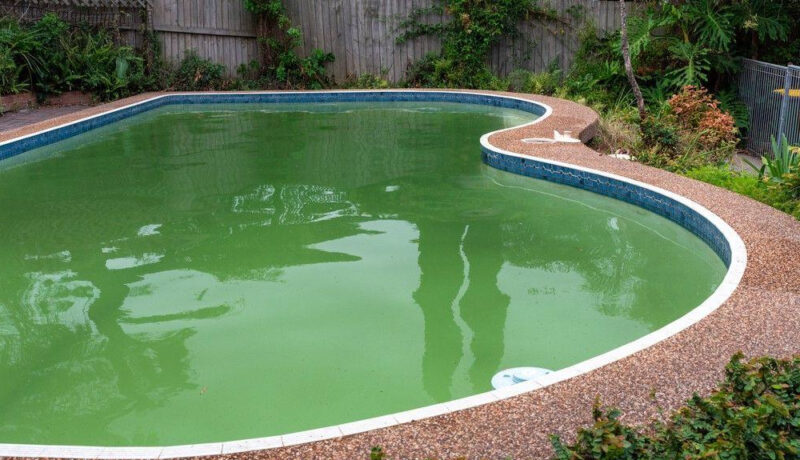
Residential swimming pool with green, murky water indicating a possible algae problem

Why Is My Pool Water Cloudy?

Cloudy water can result from inadequate filtration, poor circulation, chemical imbalance, or suspended particles.

Start by testing the water and checking the filtration system.

Avoid assuming that adding more chlorine will automatically solve the problem.

If the water remains cloudy or its sanitiser level is unsuitable, don’t swim until the cause has been addressed and the water is confirmed safe.

Why Does My Pool Keep Turning Green?

Green pool water often indicates algae growth associated with inadequate sanitisation or circulation.

Restoring a green pool may involve correcting water chemistry, removing debris, cleaning surfaces, and addressing filtration problems.

Severe cases may require professional treatment.

A practical point to remember: If algae keeps returning after treatment, the problem may extend beyond water chemistry. Inadequate filtration, poor circulation, or a chlorinator that isn’t operating correctly can contribute to recurring green water. Identifying the underlying cause is important before repeating chemical treatments.

Why Is Dirt Collecting on the Pool Floor?

Sediment may enter the pool through wind, surrounding landscaping, or runoff.

If debris continues to return after vacuuming, inspect the cleaning equipment and filtration system for possible problems.

Why Is My Pool Losing Water Flow?

Reduced circulation can be associated with blocked baskets, dirty filters, incorrect valve settings, or pump problems.

Check accessible baskets and visible equipment conditions first, following safe shutdown procedures.

Persistent circulation problems should be assessed by a qualified professional.

Why Are My Pool Chemicals Difficult to Balance?

Water chemistry can change because of rainfall, heavy swimming use, sanitiser demand, and other factors.

Repeated chemical adjustments without accurate testing may make the problem worse.

If levels remain unstable, arrange a comprehensive water test and equipment assessment.

Seasonal Pool Maintenance in Melbourne

Melbourne’s changing weather conditions affect how swimming pools should be maintained throughout the year.

A pool may require different attention during hot summer weather, windy autumn days, or periods of reduced winter use.

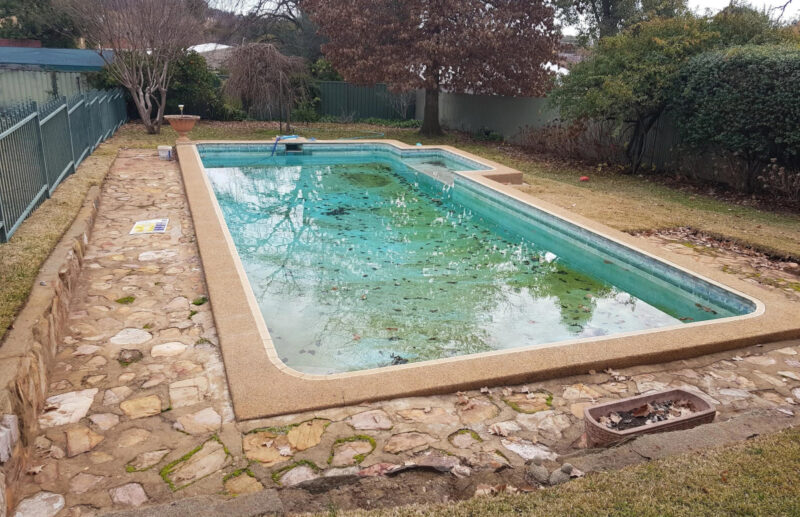
Residential swimming pool with fallen leaves floating in the water and scattered around the poolside

Summer: Monitor Water Quality Closely

Warm weather and frequent swimming can increase sanitiser demand.

During summer:

  • Test water regularly.
  • Remove leaves and debris.
  • Check filtration and circulation.
  • Monitor water levels.
  • Clean more frequently when the pool receives heavy use.

Autumn: Manage Leaves and Organic Debris

Falling leaves can accumulate in skimmer baskets and on the pool floor.

Empty baskets regularly and remove debris before it decomposes.

A suitable pool cover may help reduce cleaning requirements.

Winter: Don’t Neglect the Pool

Reduced swimming activity doesn’t mean maintenance can stop.

Continue appropriate water testing, filtration, and cleaning based on the pool’s equipment and operating conditions.

Winter is also a useful time to identify equipment problems before the warmer months.

Spring: Prepare for Swimming Season

Before regular swimming resumes:

  1. Remove accumulated debris.
  2. Brush and vacuum the pool.
  3. Check the filtration system.
  4. Test and balance the water.
  5. Inspect the chlorinator and other equipment.
  6. Confirm the water is suitable for swimming.

If your pool has been neglected over winter, allow time for any necessary treatment rather than expecting it to be swim-ready immediately.

Pool Maintenance Checklist for New Homeowners

Buying a property with a swimming pool can be exciting, but it also means taking responsibility for equipment you may not be familiar with.

Before using the pool regularly, work through this checklist:

  • Identify the pool’s sanitising system.
  • Locate the pump, filter, chlorinator, and control equipment.
  • Ask the previous owner for maintenance records and equipment manuals.
  • Test the water rather than relying on its appearance.
  • Inspect accessible equipment for visible leaks or damage.
  • Learn how and when to empty the skimmer baskets.
  • Confirm the correct filtration schedule.
  • Check whether the pool cover and cleaner are working properly.
  • Arrange professional assistance for unfamiliar or faulty equipment.

A pool can appear clean while still having underlying equipment or water-quality problems.

A professional inspection can be particularly useful when you don’t know the pool’s maintenance history.

When Should You Hire a Professional Pool Cleaner in Melbourne?

Professional pool cleaning can be useful even if you handle most maintenance yourself.

You may benefit from professional assistance when you need a thorough seasonal clean, have recurring algae or water-quality issues, or want your equipment checked.

It’s also worth considering if maintaining the pool has become a time-consuming task.

What Should You Ask Before Booking?

Before choosing a pool cleaning service, ask:

  1. What cleaning tasks are included?
  2. Is water testing and chemical balancing part of the service?
  3. Are chemicals included in the quoted price?
  4. Will the pump, filter, and chlorinator be inspected?
  5. Is the service available as a one-off visit or ongoing maintenance?
  6. Are there additional charges for heavily contaminated pools?
  7. Does the business service your Melbourne suburb?

Clear answers help you compare services and avoid unexpected costs.

Professional Pool Cleaning With Aquatech

Aquatech Pool and Spa Solutions provides pool cleaning and maintenance services for homeowners across Melbourne’s north-west and surrounding service areas.

Its services include pool cleaning, water testing, chemical balancing, vacuuming, brushing, and equipment inspections.

Whether you need occasional assistance or ongoing maintenance, the team can help you determine an appropriate service arrangement.

Frequently Asked Questions About Pool Cleaning

Can I maintain my swimming pool myself?

Yes. Many homeowners manage routine pool maintenance themselves using appropriate cleaning equipment, water testing, and chemical treatment. However, persistent water problems, equipment faults, or unfamiliar maintenance procedures may require professional assistance.

How often should pool water be tested?

Pool water should generally be checked at least weekly during regular use, with additional testing after heavy rain, intensive swimming, or noticeable water changes. Testing frequency may vary depending on the sanitising system and manufacturer guidance.

Does a pool need cleaning during winter?

Yes. Even when a pool isn’t being used, leaves, dirt, and water chemistry changes can create maintenance problems. Regular checks help keep the pool in good condition and make preparation for summer easier.

Is a robotic pool cleaner enough to maintain a pool?

No. Robotic cleaners can reduce manual debris removal, but they don’t replace water testing, chemical balancing, filter maintenance, or equipment inspections.

Why does my pool keep turning cloudy?

Common causes include poor filtration, inadequate circulation, chemical imbalance, or fine suspended particles. Water testing and equipment checks can help identify the problem before deciding on treatment.

How do I know whether my pool needs professional cleaning?

Consider professional help if the water repeatedly turns cloudy or green, chemical levels remain unstable, equipment performance declines, or regular cleaning becomes difficult to manage.

Keep Your Pool Clean Without the Guesswork

A clean swimming pool isn’t just about appearance. Regular water testing, debris removal, filtration care, and equipment maintenance all contribute to reliable pool performance.

For some homeowners, a consistent DIY routine is enough. Others prefer professional support to save time and deal with more complicated cleaning and maintenance needs.

Aquatech Pool and Spa Solutions helps homeowners across Melbourne’s north-west keep their pools clean, balanced, and ready to enjoy.

Whether you need a one-off clean, regular maintenance, or advice about your pool’s condition, contact the team to discuss your requirements.

Professional help when you need it: Pool Cleaning Services in Melbourne

Call: 0402 403 409

Servicing
ENQUIRE NOW