


15 Sep Pool Pump Flow Problems: Causes and Solutions
Last week a Taylors Lakes pool owner called us after spending money on a new pump that did not fix his flow problem. The real fault was a cracked o-ring on the strainer pot lid. That kind of misdiagnosis is common, and it is what this guide is written to prevent. We will work through the causes in the order a technician would check them, starting with the simplest.
What Does a Pool Pump Actually Do?
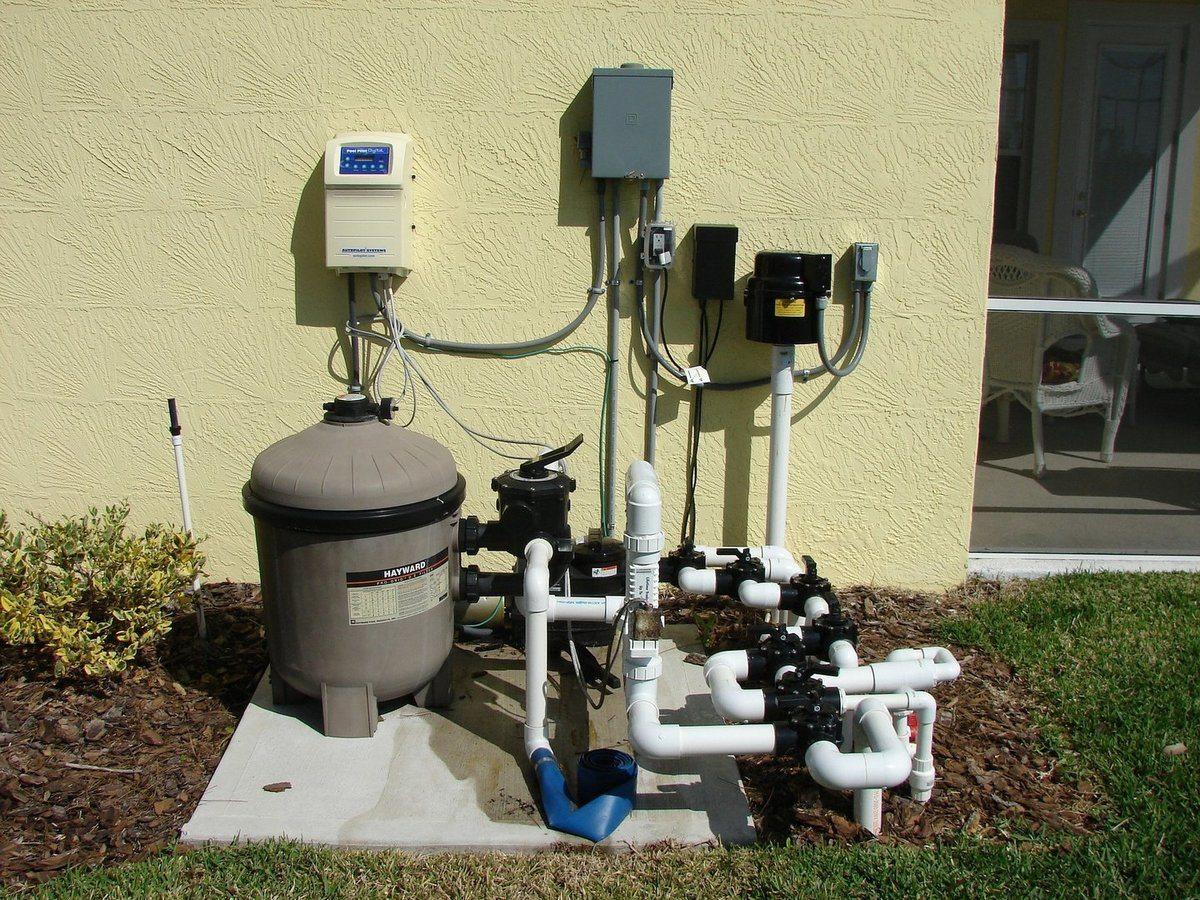 The pump draws water from the pool, pushes it through the filter and returns it clean through the jets. Every other part of the system, the sanitiser, the cleaner, the heater, depends on that flow being consistent. When flow drops, the effects appear across the whole pool, not just at the pump itself.
Why Is My Pool Pump Losing Flow?
In most cases, a blocked basket or filter is the cause and clearing it restores normal flow within minutes.
The skimmer basket at the pool wall and the strainer pot inside the pump housing are the first things to check whenever flow drops. Even a basket that looks partially clear can restrict flow enough to starve the impeller. A starved impeller cavitates, drawing air instead of water, which stresses the mechanical seal and erodes the impeller vanes over time. Check and empty both baskets before pulling anything else apart.
If the baskets are clear, check your filter pressure gauge. A reading that climbs noticeably above your clean baseline points to a blockage on the outlet side, most often a dirty filter. For sand filters, backwash when the pressure rises above that baseline rather than on a fixed calendar schedule. Cartridge elements need a physical rinse and periodic replacement. Either way, a saturated filter produces the same symptom: high pressure, weak return flow. If the gauge reads lower than normal while the pump sounds like it is working hard, the restriction is on the inlet side of the pump, which is a different problem covered below.
Air Leaks on the Suction Side
Air entering the suction line can be hard to trace because small leaks do not always produce obvious bubbles at the return jets. The pump may lose prime intermittently, run noisily, or cycle as it tries to re-prime. The most common entry points are the lid o-ring on the strainer pot, suction fittings at the skimmer, and unions or valves between the pool and the pump.
A dried or cracked lid o-ring is a straightforward fix. If all visible fittings look intact but the pump is still pulling air, the suction pipe itself needs to be pressure tested before money is spent on pump components. An underground crack in the suction line is a plumbing problem, not a pump fault, and the two should not be confused.
What a Worn Impeller Looks Like in Practice
The impeller is the spinning component that moves water through the pump. Hair, fine debris and calcium scale can clog the impeller passages or gradually wear down the vanes. The distinguishing feature of an impeller problem is that it usually develops slowly: flow weakens gradually over several months rather than dropping overnight. If the baskets are clear, the filter is freshly backwashed, and the return jets are still noticeably weaker than they were, the impeller is the next component to inspect.
A clogged impeller can sometimes be cleared without replacing the part. A worn impeller needs replacement. Either way, it is a repair that makes practical sense on a pump whose motor is otherwise in good condition.
Mechanical Seal Failure and Why It Matters
The mechanical seal sits between the wet end of the pump and the motor, preventing water from tracking along the shaft into the motor bearings. The early sign of a failing seal is water weeping from the small drain hole at the base of the pump housing, directly beneath the motor shaft.
A weeping seal does not always cause an immediate pressure drop, but if it is ignored, water eventually reaches the bearings and can destroy the motor. Whether replacing the seal makes sense depends on the overall condition of the pump. On a pump where the motor is sound and no other components are failing, a seal replacement is generally a practical repair. On a pump where the bearings are also making noise or the motor is running hot, the combined repair cost is worth comparing against replacement, and a technician can give you that assessment on site.
Repair or Replace: How the Decision Actually Works
The repair or replace question does not have a universal answer based on pump age alone. Aquatech assesses the condition of the pump and whether a repair is likely to provide a worthwhile result. Minor issues may sometimes be repaired, but where the motor, bearings or several components are worn or failing, replacing the pump is often the more practical option.
If your pump is losing flow, becoming noisy or repeatedly causing problems, Aquatech can assess whether a pool pump repair is worthwhile or whether replacement makes more sense.
When a pump is already out of service for inspection, it is also worth discussing what current pump options offer in terms of efficiency and water quality, without making specific claims about savings until a technician has assessed your actual setup. The pool equipment supply and installation page covers the pump options Aquatech works with, including brands such as Astral Pool, Zodiac and Hayward that the business installs across the service area.
Need Help With a Pool Pump Problem?
Aquatech Pool and Spa Solutions provides mobile pump diagnostics and repairs across its core service area, including Keilor, Keilor East, Taylors Lakes, Taylors Hill, Greenvale, Caroline Springs, Burnside Heights, Gladstone Park, Tullamarine and Airport West. As part of broader pool maintenance and servicing, a technician attending your property can observe the pump running under load, check pressures at both ends of the system, inspect internal components and give you a clear picture of what the fault is and what fixing it involves. If your pump is losing flow, dropping prime or weeping water at the base, a service call is the most reliable next step. Call 0402 403 409 or visit the Areas We Service page to confirm coverage for your suburb.
Frequently Asked Questions
Why is my pool pump running but not moving much water?
Low water flow can be caused by blocked skimmer or pump baskets, a dirty filter, suction-side air leaks, a clogged impeller or worn pump components. The cause should be identified before replacing the pump, as the problem may be elsewhere in the circulation system.
Why does my pool pump keep losing flow or pressure?
A pool pump can lose flow when debris restricts water movement, the filter becomes dirty, air enters the suction line or internal pump components begin to wear. If the problem keeps returning after basic cleaning and maintenance, the pump and filtration system should be inspected.
Can a dirty pool filter reduce pump flow?
Yes. A dirty or restricted filter makes it harder for water to move through the circulation system. This can reduce flow and place extra strain on the pump. Cleaning or servicing the filter may restore normal circulation without any work being required on the pump itself.
Should I repair or replace my pool pump?
It depends on the condition of the pump and the type of fault. Minor problems may sometimes be repairable, but replacement is often the better option when the motor, bearings or several components are worn or failing. Aquatech can assess the pump and recommend whether repair or replacement makes more practical sense.